
Chronic pain and ongoing inflammation can make it difficult to know what step to take next. Many people begin by exploring lifestyle changes, including nutrition and activity adjustments, only to find that discomfort still interferes with daily life. When pain persists, it is natural to start researching broader treatment options while hoping to avoid major surgery.
Our approach recognizes that inflammation, structural issues, nerve irritation, and lifestyle factors often work together. For many patients, minimally invasive pain management provides an effective option between conservative care and surgery. For those asking what minimally invasive pain management is, it involves targeted treatments designed to address pain at its source while minimizing tissue disruption and recovery time.
Understanding the difference between minimally invasive pain management and traditional surgery can help patients make informed decisions about their care. In many cases, chronic pain can be treated safely and effectively without major surgery, making education and careful evaluation the first steps toward long-term relief.
What Is Minimally Invasive Pain Management?
Minimally invasive pain management focuses on treating pain at its source using precise, image-guided techniques rather than large surgical incisions or long-term medication use. It refers to targeted treatments designed to reduce pain while minimizing disruption to surrounding tissues.
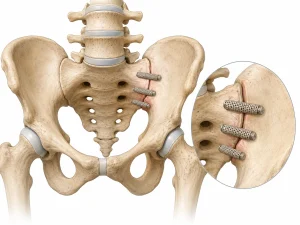
Unlike medication-only approaches that manage symptoms, minimally invasive treatments aim to address the underlying cause of pain. Compared to traditional surgery, these procedures typically involve smaller entry points, less recovery time, and lower risk when appropriately selected.
Minimally invasive pain management is often part of a broader care plan that may also include physical therapy, nutritional considerations, and lifestyle support. This integrated approach helps ensure pain relief strategies are aligned with long-term health and overall function.
Minimally Invasive Pain Management vs. Traditional Surgery: What’s the Difference?
Many patients begin researching treatment options once conservative approaches no longer provide adequate relief, but they are understandably hesitant about surgery. This is where minimally invasive pain management plays an important role. Understanding what is the difference between minimally invasive pain management and traditional surgery can help clarify why less invasive treatments are often considered first for chronic pain. The goal is pain relief with minimal disruption, allowing patients to maintain function and return to daily activities more quickly.
Traditional surgery, by contrast, is usually intended to correct structural problems such as instability, severe degeneration, or compression that cannot be managed through less invasive means. While surgery may be necessary in certain cases, it often involves larger incisions, longer recovery periods, and greater short-term impact on daily life. For many chronic pain conditions, surgery is not the first or only solution.
Minimally invasive pain management is frequently used as an intermediate step between conservative care and surgical intervention. This approach allows patients to explore effective pain relief options with lower risk and shorter recovery, reserving surgery for situations where it is clearly indicated.
What Minimally Invasive Pain Management Procedures Are Available at Augusta Pain Center?
At Augusta Pain Center, minimally invasive pain management focuses on targeted procedures designed to relieve pain while minimizing recovery time. Available options may include:
- Image-Guided Injections
Deliver medication directly to inflamed joints, nerves, or spinal areas to reduce pain and inflammation. - Radiofrequency Ablation (RFA)
Uses targeted energy to interrupt pain signals from specific nerves. - Spinal Cord Stimulation
A small device sends electrical signals to the spinal cord to alter pain perception, with a trial period first. - Advanced Interventional Pain Therapies
Select minimally invasive techniques used based on diagnosis and symptom history. - Aquatic Therapy
Water-based therapy that improves mobility while reducing strain on painful areas.
Is Minimally Invasive Surgery Painful or Risky?
Minimally invasive pain treatments are designed to reduce discomfort and risk compared to traditional surgery. Because these procedures use small access points and target specific pain sources, most patients experience less post-procedure pain and a quicker recovery.
As with any medical procedure, there are risks, but minimally invasive approaches generally involve fewer complications and less disruption to surrounding tissue. A thorough evaluation helps ensure each treatment is appropriate for the patient’s condition, supporting both safety and effectiveness.
How Do Nutrition and Inflammation Fit Into Pain Treatment Decisions?
Many people researching chronic pain begin by looking closely at nutrition and inflammation, and for good reason. Chronic inflammation can increase pain sensitivity, slow healing, and contribute to flare-ups that make daily activities more difficult. Diet, hydration, and overall metabolic health all influence how the body responds to injury, stress, and treatment.
However, while nutrition plays an important supportive role, it is not always enough to resolve pain on its own. Structural issues, joint degeneration, or nerve-related conditions often require targeted medical care. This is where minimally invasive pain management becomes part of the conversation. These treatments are designed to directly address the physical sources of pain that dietary changes alone cannot correct.
Understanding what minimally invasive pain management helps place nutrition in the proper context. Rather than viewing treatment options as either lifestyle-based or medical, many patients benefit most from an integrated approach. Nutrition may help reduce systemic inflammation and support recovery, while minimally invasive procedures can target localized pain generators more precisely.
How Do I Know If I’m a Candidate for Minimally Invasive Pain Management?
While every patient’s situation is different, there are several general indicators you may be a candidate for minimally invasive treatments.
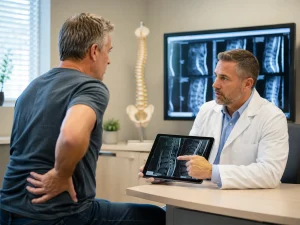
Persistent pain that continues for weeks or months, pain that interferes with daily activities, or symptoms that do not improve with conservative care are often reasons to seek further evaluation. Imaging findings, such as joint degeneration, disc changes, or nerve irritation, may also help guide treatment decisions. These factors do not automatically mean surgery is necessary, but they can signal that targeted intervention may be beneficial.
It is important to avoid self-diagnosis based solely on symptoms or online research. Determining candidacy for minimally invasive pain management requires a careful review of medical history, physical examination, and, when appropriate, diagnostic imaging. The goal is to match the right treatment to the specific source of pain rather than applying a one-size-fits-all solution.
Making Informed Choices About Chronic Pain Care
At Augusta Pain Center, patients are guided through the full spectrum of care, including conservative approaches, minimally invasive treatments, and surgical referral only when truly necessary. Understanding available options allows decisions to be made with clarity rather than frustration.
If you are unsure which path is right for you, learning whether you may be a candidate for minimally invasive pain management can be a helpful place to start. A consultation is an opportunity to ask questions and explore personalized options, not a commitment to treatment. Taking the time to understand your choices can help you move forward with greater confidence. Request an appointment or call our team today to get started.