Hip pain that keeps getting in the way of daily life deserves more than guesswork. If you’ve noticed a deep ache in your groin, stiffness after sitting, or discomfort that flares up on longer walks, osteoarthritis of the hip may be the underlying cause, and there are effective options to address it.
The good news is that catching it early opens up more options. Conservative treatments, physical therapy, and interventional pain management can all help slow the progression, reduce inflammation, and keep you moving. Even if your symptoms are already significant, there’s a range of effective approaches available depending on where you are in the process.
What Causes Osteoarthritis of the Hip
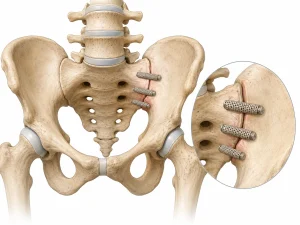
The hip is a ball-and-socket joint designed to bear significant weight while allowing smooth, fluid movement. A layer of cartilage cushions the joint surfaces like a protective coating and distributes pressure from everyday activities like walking, climbing stairs, and standing. When that coating is intact, daily pressure from these activities is distributed comfortably.
Osteoarthritis develops when that cartilage gradually breaks down. Without adequate cushioning, the joint becomes irritated and inflamed. Pain signals increase, especially during weight-bearing movement.
Several factors contribute to this process:
- Age-related wear
- Prior joint injury
- Repetitive physical strain
- Excess body weight
- Structural variations in hip anatomy.
In most cases, it’s a combination of factors rather than a single cause.
Recognizing the Symptoms of Hip Osteoarthritis
Symptoms of hip osteoarthritis often develop gradually, which makes them easy to dismiss early on. Many people attribute initial discomfort to tight hip flexors, a pulled muscle, or simply getting older. But hip osteoarthritis tends to follow consistent, recognizable patterns.
The most common early symptoms of hip osteoarthritis include stiffness after rest or sitting for extended periods, discomfort during weight bearing activities, and a gradual reduction in range of motion.
Pain may also appear along the outer hip, in the groin or front of the hip, or deep in the buttock. Some individuals notice discomfort that travels toward the thigh. Over time, functional changes may develop such as a subtle limp, a shorter stride, or difficulty bending to put on shoes.
In the early phases, symptoms may come and go. A busy day or longer walk may cause soreness that improves with rest. Because of this fluctuation, many people assume they are experiencing tight hip flexors, lower back strain, or a simple muscle issue. This misunderstanding can delay proper diagnosis. The joint may feel similar to a rusty hinge that loosens slightly with movement but still contains underlying wear.
Daily Life Tips for Managing Hip Osteoarthritis
Small, consistent adjustments throughout your day can make a meaningful difference in how your hip feels and how much your hip osteoarthritis interferes with your routine.
- Choose seating that works for your hip. Low chairs, soft couches, and bucket seats force deep hip flexion, which can put extra strain on the joint. Aim for firmer, higher seating where your hips stay at or above knee level.
- Break up long periods of sitting or standing. Both prolonged stillness and prolonged standing can worsen stiffness and discomfort. Try to shift positions every 30–45 minutes, even a short walk around the room is enough to keep the joint from seizing up.
- Wear supportive footwear. Shoes with adequate cushioning and arch support can reduce the impact traveling up through the hip with every step. Avoid flat shoes, flip-flops, or worn-out soles during hip osteoarthritis flare-ups.
- Pace your activity. Don’t stop it. Rest is important during acute hip osteoarthritis flare-ups, but complete inactivity weakens the muscles that support your hip and can actually worsen symptoms over time. Keep moving but focus on low-impact movement like swimming, cycling, or gentle walking keeps the joint mobile without overloading it.
- Apply heat before activity, ice after. Heat before movement helps loosen stiffness. Cold/ice after activity can reduce post-exertion inflammation.
Non Surgical Treatment Options for Hip Osteoarthritis
Surgery is not the first step in a hip osteoarthritis treatment plan, and for many patients, it never needs to be. Most treatment plans begin with conservative and minimally invasive strategies designed to reduce pain and preserve mobility.
Physical therapy focused on the muscles surrounding the hip can improve stability and distribute force more evenly, reducing the burden on the joint itself. If physical therapy alone is not enough, image-guided injections can reduce inflammation within the joint and calm pain signals.
Treatment is best viewed as a toolbox rather than a single solution. Most patients benefit from combining the right strategies at the right time to maintain function and quality of life. These options are part of the comprehensive interventional pain management treatments offered at Augusta Pain Center.
Surgery for Hip Osteoarthritis Is Considered When Function Declines
Surgery for hip osteoarthritis is typically considered when pain and functional limitations persist despite appropriate conservative and interventional treatment. Reaching that point is not a failure. It reflects a progression of joint degeneration and the need for a different level of intervention.
Persistent pain that limits walking or regularly disrupts sleep may signal advanced disease. Increasing difficulty with everyday activities such as climbing stairs or standing from a seated position can also indicate progression. When non surgical treatments no longer provide meaningful relief and imaging confirms advanced degeneration, referral for surgical consultation may be appropriate.
There is no universal timeline for this decision. Some individuals manage osteoarthritis of the hip for many years without surgery. Others may progress more quickly depending on joint structure and overall health. The decision is individualized and based on symptoms, imaging findings, and functional goals.
Next Steps for Hip Pain in Augusta
When hip pain begins repeating more frequently, limiting activity, or causing compensatory movement such as limping or reduced stride length, it is time to seek answers. Ignoring these signs can lead to additional strain on the lower back and knees.
A comprehensive evaluation at Augusta Pain Center can identify whether osteoarthritis of the hip is the primary pain generator or whether another structure is contributing. From there, a personalized plan can be developed, whether that includes conservative strategies or advanced options within our interventional pain management treatments.
Requesting an evaluation does not commit you to a specific treatment. It provides clarity about what is driving your discomfort and what realistic steps can help protect your mobility over time.